
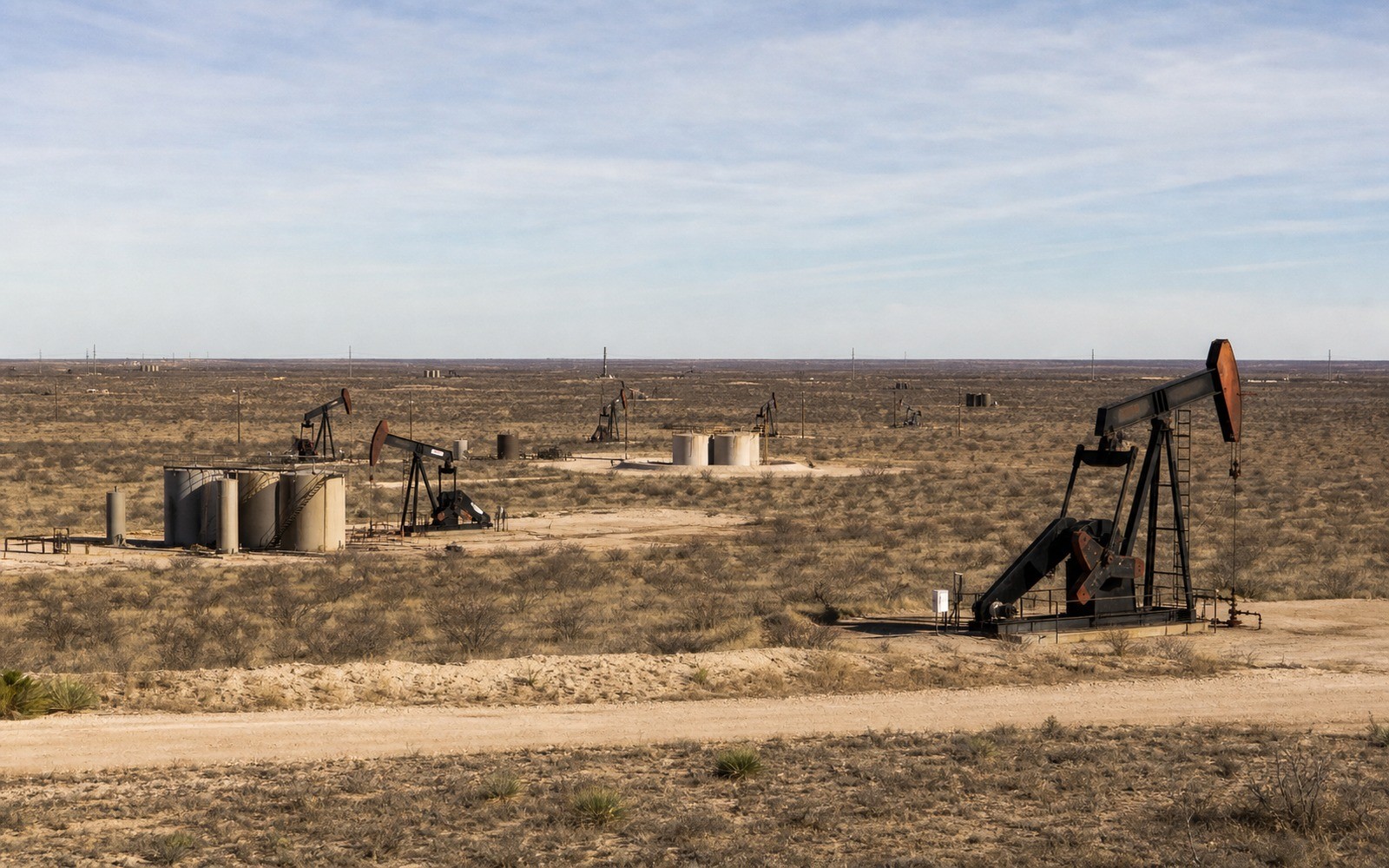
Non-Participating Royalty (NPRI)
An NPRI is a royalty right with no say in leasing, and that missing lever is exactly why we price it differently than a standard mineral interest.
A non-participating royalty interest, or NPRI, is a specific kind of carved-out interest: the owner is entitled to a share of production royalty, but holds none of the executive rights that go with a full mineral estate. No say in whether a lease gets signed, no seat at the table on bonus or royalty rate negotiations, no delay rental payments. The NPRI owner is, in effect, along for the ride on whatever the mineral owner and operator agree to.
That distinction matters more than most sellers expect at pricing time. We're candid about it: an NPRI is generally worth less than an equivalent-sized mineral interest, because the mineral owner controls the terms under which your royalty is generated, and you have no ability to push for a better deal on the next lease.
Why lease expiry changes the value conversation
If your NPRI sits under an active lease with current production, we underwrite it much like any other royalty stream: decline curve off trailing volumes, discounted for time and risk. But if the underlying lease is nearing its end, whether it's held by production on a marginal well or approaching the end of its primary term with no well drilled, that changes things, because you have no control over whether the mineral owner renews, re-leases on different terms, or lets the lease lapse.
We ask directly about the status of the underlying lease before pricing an NPRI, because a strong producing well under a long-held lease is a very different asset than an NPRI tied to a lease that could terminate soon with no support of what, if anything, replaces it. We'd rather have that conversation candidly upfront than have a seller discover the difference after the fact.
The discount, and why it exists
We don't promise a specific price or multiple on an NPRI, but we will explain plainly why an NPRI trades at a discount to a comparable mineral interest: the absence of executive rights means you can't participate in negotiating the next lease's bonus or royalty rate, you don't receive delay rentals if the well isn't producing, and depending on how the original NPRI was drafted, you may or may not participate in a pooling bonus if your tract gets pooled into a larger unit.
How the original instrument was worded matters a great deal here. Some NPRIs are drafted as a fixed fraction of total production regardless of the lease's royalty rate; others are proportionate to whatever royalty rate the mineral owner negotiates. That single distinction can meaningfully change what your interest is worth, and we read the original conveyance carefully rather than assuming a standard structure.
Fixed versus floating NPRIs
A fixed NPRI entitles the holder to a set fraction, such as one-sixteenth of production, regardless of what royalty rate the mineral owner negotiates with the operator. A floating NPRI instead entitles the holder to a fraction of whatever royalty the mineral owner receives, so if the mineral owner negotiates a higher royalty rate on a new lease, the floating NPRI holder benefits proportionately, and if the rate is lower, so does the NPRI.
We identify which structure applies to your interest by reading the actual granting language in the original deed or reservation, not by assuming based on how old the instrument is or what's typical in your county, because both structures show up across most of the basins we work in.
What we need to underwrite an NPRI accurately
We ask for the original deed or reservation creating the NPRI if you have it, the current division order, and recent check stubs showing your specific fraction. If the underlying lease status isn't clear from your documents, we'll pull it from the county record directly rather than asking you to track down information about a lease you're not a party to.
Questions Owners Ask the Acquisition Desk
What's the difference between an NPRI and a regular royalty interest?
Both entitle you to a share of production without operating costs, but an NPRI is specifically a carved-out interest with no executive rights at all, meaning no say in leasing decisions. A standard royalty interest owner may still hold some or all of the executive rights.
Why is my NPRI worth less than my neighbor's mineral interest?
Because your neighbor's mineral interest includes the right to negotiate the next lease's terms, while your NPRI is bound by whatever the mineral owner agrees to. That missing control is priced into the difference.
How do I know if my NPRI is fixed or floating?
It depends on the exact language in the deed or reservation that created it. We read that document directly rather than assuming, since the two structures can produce meaningfully different value.
My NPRI isn't currently producing. Can you still buy it?
We'll consider it, but pricing depends heavily on the status of the underlying lease and any nearby activity, since there's no current royalty stream to underwrite.
Do I get anything if my tract is pooled into a larger unit?
It depends on how your NPRI was originally drafted. Some instruments include pooling bonus participation and some don't, which is another reason we review the original document before pricing.
Want a range built from your statements, acreage, lease, activity, and ownership records?
Send the county and state, owner name, operator or payor, recent statement, deed reference, lease, division order, probate record, or written offer you have.