
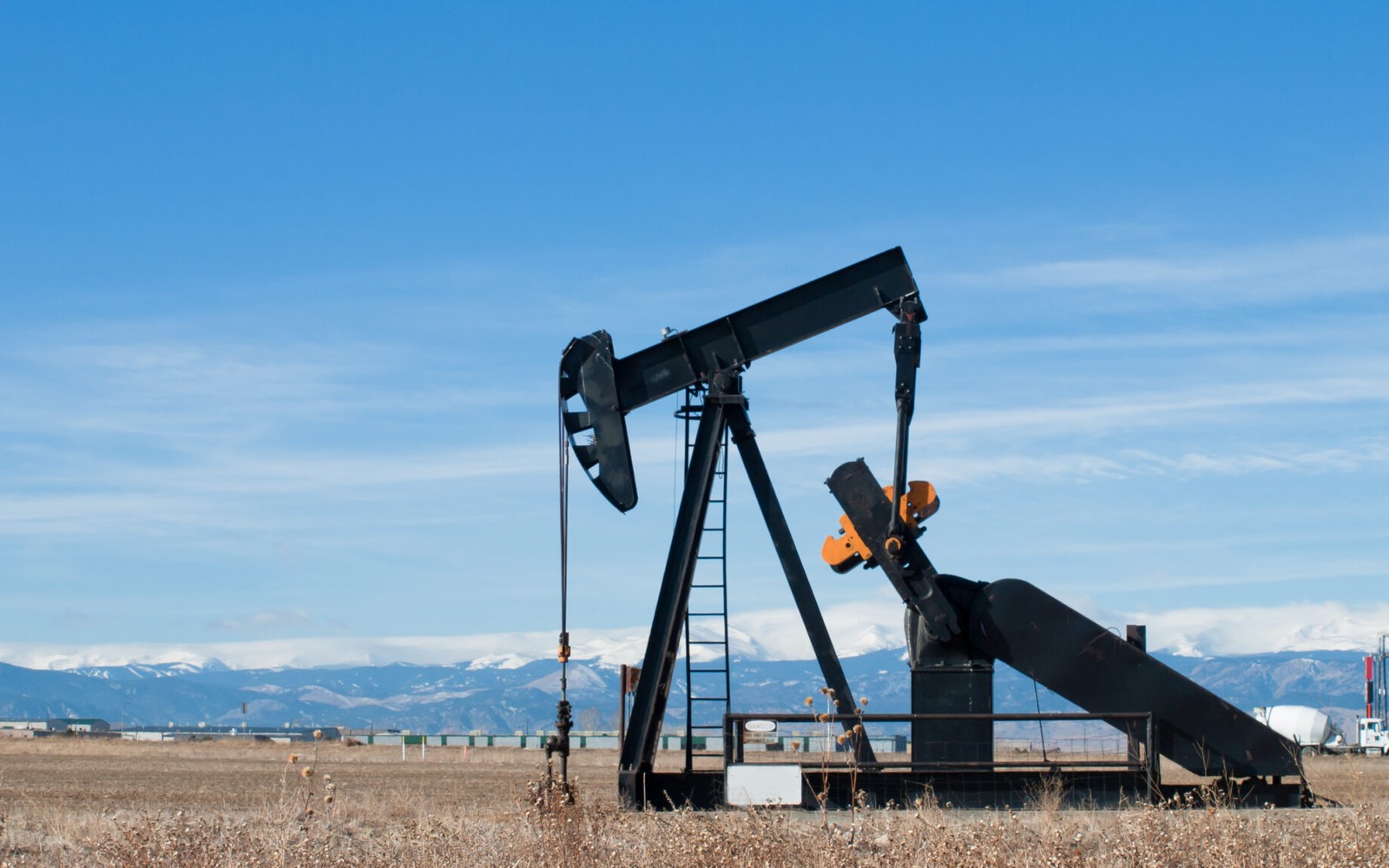
Niobrara Mineral Rights
Owners often send us a lease that just says Niobrara without naming a basin, and that single word can describe wells with completely different production behavior depending on where the chalk actually sits.
The Niobrara is a chalk and marl formation that stretches across a wide swath of the Rocky Mountain region, and it gets developed differently depending on which basin it sits in. In the DJ Basin around Weld County, Colorado, it is the primary horizontal target alongside the Codell sandstone. In the Powder River Basin of Wyoming, it has been tested with more mixed results as part of a broader multi-zone horizontal push. Pockets of it also show up on the margins of the Piceance and in parts of western Nebraska and Kansas.
Because the name covers so much geologic and geographic ground, we treat a Niobrara-labeled tract as a starting point for investigation rather than a complete answer. The first thing our desk does is pin down exactly which basin, county, and depth window the formation sits at under that specific tract.
Why the same formation name produces such different underwriting
Chalk quality, thermal maturity, and burial depth all vary significantly as the Niobrara extends outward from its most productive core in Weld County, Colorado. A well drilled into thick, well-matured chalk in the DJ core can behave very differently from a well drilled into a thinner, shallower section of the same formation on the Wyoming side of the Powder River Basin, where results have historically been more inconsistent.
We do not assume a Niobrara well behaves like the best-known Niobrara wells just because it shares the formation name. We ask for the specific well's location, depth, and production history before drawing any conclusion about how the rest of the tract's inventory is likely to perform.
How we separate a DJ Basin Niobrara tract from a Powder River one
If a tract sits in Weld County or the surrounding DJ Basin core, we underwrite it against the same active-development framework we use for that basin generally, including Colorado's current setback and permitting environment. If instead the tract sits in the Powder River Basin, we treat it more cautiously, since Niobrara development there has been more selective and operators have shifted attention between it and other zones like the Turner and Sussex depending on results.
This distinction changes not only the value conversation but the timeline. DJ core tracts often have more recent, more consistent operator activity to model against, while Powder River Niobrara tracts sometimes require us to look further back to find the last meaningful drilling activity on or near the unit.
What we need from an owner to place a Niobrara tract correctly
The single most useful thing an owner can provide is the legal description, county, and state tied to the mineral interest, along with a division order or lease if available. From that we can identify exactly which basin and structural position the tract sits in and pull the right comparison set of nearby wells.
Without that location detail, we are working blind on a formation that behaves too differently across its footprint to guess at, and we would rather ask a few extra questions upfront than misjudge a tract's basin context.
Kansas and Nebraska margins get a more conservative read
On the far eastern and southern edges of the Niobrara's footprint, in parts of western Kansas and Nebraska, the chalk thins and shallows to the point where economic horizontal development has been rare, and most production in these areas still comes from older vertical wells targeting the formation conventionally. We do not model these tracts against DJ Basin or even Powder River expectations, since the well type, spacing, and decline behavior are simply different.
That does not mean these tracts have no value to our desk. A long-producing vertical well with steady, low-volume output can still be a reasonable review, we just underwrite it as a conventional legacy asset rather than assuming any horizontal upside that the local geology has not historically supported.
Questions Owners Ask the Acquisition Desk
Is my Niobrara interest automatically in the DJ Basin?
Not necessarily. The Niobrara formation extends well beyond the DJ Basin into parts of Wyoming, Nebraska, and Kansas, so we confirm the exact county and basin before assuming which development pattern applies.
Why do Niobrara wells in different areas produce such different results?
Chalk thickness, thermal maturity, and depth vary as the formation extends outward from its strongest core, which is why a well in one county can behave quite differently from a well in another even though both are called Niobrara wells.
What information should I send you first about a Niobrara tract?
The legal description or at least the county and state where the interest sits, along with any division order or recent check stub, so we can confirm which basin context applies before doing further review.
Are Powder River Basin Niobrara interests worth less than DJ Basin ones?
We do not assume that automatically, but development in the Powder River Basin has generally been more selective, so we tend to look further at recent operator activity there before forming a view.
Want a range built from your statements, acreage, lease, activity, and ownership records?
Send the county and state, owner name, operator or payor, recent statement, deed reference, lease, division order, probate record, or written offer you have.