
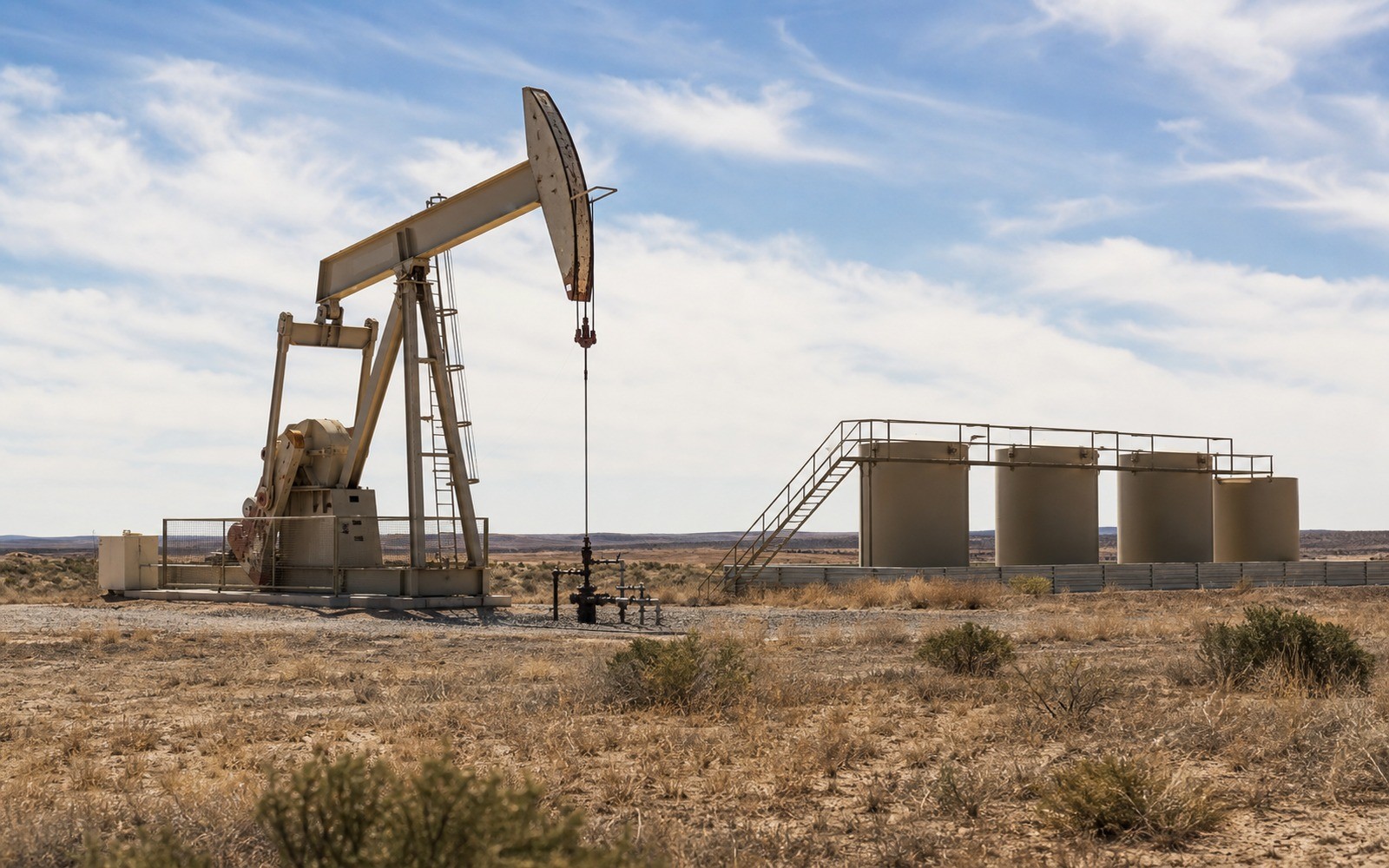
Eagle Ford Shale Mineral Rights
The Eagle Ford is old enough now that we can underwrite most tracts off a decade or more of actual production history, which is exactly the kind of package our desk moves fastest on.
South Texas has been producing from the Eagle Ford since the horizontal drilling wave started here around 2008, making it one of the more mature unconventional plays in the country by now. Karnes, DeWitt, La Salle, McMullen, and Dimmit counties carry most of the historical activity, with the play running through distinct oil, condensate, and dry gas windows as it moves from the northwest toward the southeast along strike.
EOG Resources was an early and consistent driller here, and ConocoPhillips and Marathon have also run substantial programs across the trend over the years. Because so much of the play was drilled out in its first decade, our review leans on long production histories more than it does on speculative future drilling, which is different from how we approach a newer or still-developing basin.
Why maturity works in an owner's favor here
A well with ten or more years of production gives us a decline curve we can trust with a fairly narrow range of uncertainty, which is the opposite situation from an undrilled or newly permitted tract elsewhere. Most Eagle Ford wells have long since passed their steepest decline years and settled into a more predictable, lower-volume tail, and we can model that tail with real confidence.
This maturity also means fewer surprises on the operator side. Programs here are largely optimization and infill focused rather than first-time development, so the risk of a tract sitting untouched for years with no clear operator plan is lower than in a basin still working out its core development pattern.
Where a tract sits along the oil-to-gas window
The Eagle Ford runs from an oil-dominant window in the northwest, through a condensate-rich middle section, into a dry gas window toward the southeast, and pricing exposure differs meaningfully depending on where a tract falls along that line. An oil-window tract in Karnes or DeWitt County has different price sensitivity than a dry gas tract further southeast, and we underwrite each according to the actual product mix the well statement shows.
We ask for the operator's current statement specifically to confirm this mix, since a lease sitting near the boundary between windows can produce a blend that does not match what the general area is best known for.
Common title issues on legacy South Texas ranches
Much of the Eagle Ford trend sits under large historic South Texas ranches with mineral estates that were carved up through generations of family transfers, sometimes with non-participating royalty interests reserved decades before the shale boom ever started. Those older NPRI reservations occasionally carry ambiguous language about which formations or depths they cover, and we check that language carefully before assuming a clean interest.
Where the paperwork is straightforward, a producing Eagle Ford interest is usually one of our more efficient closes, since the production history removes a lot of the guesswork that slows down reviews of less-established plays.
Refracs and recompletions are changing some old assumptions
Operators across the Eagle Ford have increasingly turned to refracturing older wells and recompleting in bypassed zones rather than drilling fresh horizontals, since the acreage is largely held by production and the economics of a refrac can beat a new well in some settings. When we see a well come back online at a meaningfully higher rate after years of steady decline, that is usually the signature of one of these programs rather than a new drill.
This matters to our underwriting because a tract we might otherwise model as pure legacy decline can carry real refrac upside if the operator has a documented pattern of returning to older wells in that specific field. We check the well's full production history, not only the most recent trend line, to catch this before we finalize a review.
Questions Owners Ask the Acquisition Desk
My Eagle Ford well was drilled over a decade ago, is it too old to be worth much?
Not at all. A long production history actually helps our review, since it lets us model the decline curve with more confidence than we can on a newer or unproven well.
Does it matter whether my tract is in the oil window or the gas window?
Yes, product mix affects price sensitivity, so we confirm what your specific well is producing from the operator's statement rather than assuming based on general area reputation.
I have an old non-participating royalty interest from before the shale boom, is that a problem?
Not necessarily, but we do read the original reservation language carefully to confirm it covers the depths and formations currently producing, since older NPRI language was not always written with shale development in mind.
Are operators still actively drilling in the Eagle Ford or is it mostly done?
Development has slowed from its peak years and shifted toward infill and optimization drilling, but activity continues in parts of the trend, and we check current permits in your specific unit rather than assuming the play is finished.
Want a range built from your statements, acreage, lease, activity, and ownership records?
Send the county and state, owner name, operator or payor, recent statement, deed reference, lease, division order, probate record, or written offer you have.