
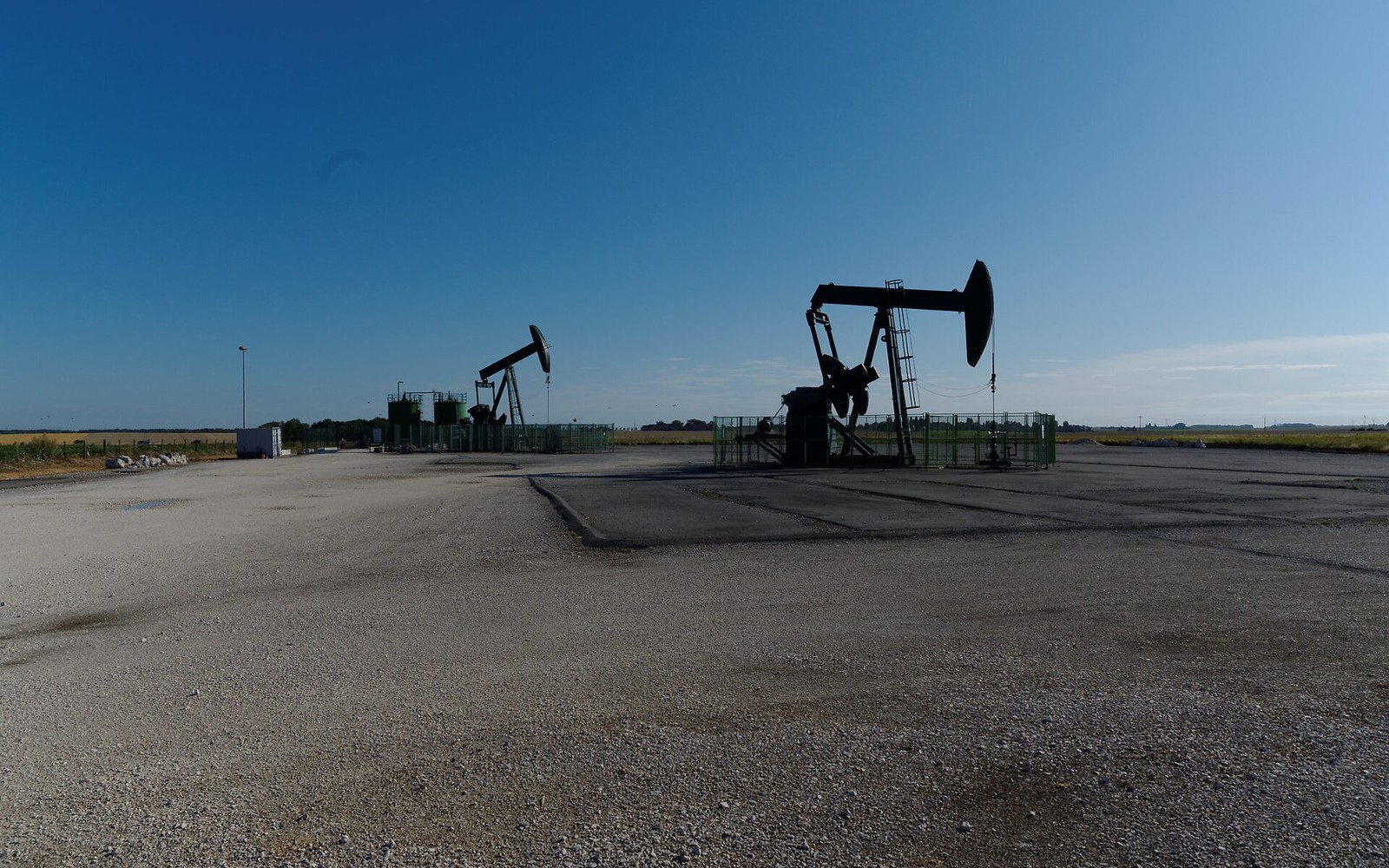
Anadarko Basin Mineral Rights
The Anadarko Basin has been producing since before most of our owners' grandparents were born, and that long history means we spend as much time reading old lease files as we do checking current permits.
This is one of the deepest sedimentary basins in the Lower 48, running under the Oklahoma and Texas panhandles with production dating back to the 1920s and 30s in some of the shallower shelf areas. Wells here range from ancient conventional verticals still holding small leases together to modern horizontal completions targeting the Meramec on the shelf edge that overlaps with what most people now call STACK country to the east.
Counties like Woodward, Custer, Blaine, and Dewey have decades of vertical development layered under any newer horizontal activity, which means a single mineral tract can have production history stretching across three or four distinct drilling eras. Our review has to account for all of them, not only whatever well is currently sending a check.
Reading a lease file with multiple drilling eras
It is common for an Anadarko Basin tract to have an original lease from the 1950s or 60s, held by production on a shallow vertical well that may still be producing a small amount today, with a later horizontal well drilled into a different, deeper zone under a separate agreement or amendment. We pull the full lease history before quoting, because the terms governing that shallow legacy well often do not automatically extend to a new horizontal target without a ratification or a new lease.
This matters directly to an owner's bottom line. A tract still under an old lease with outdated royalty terms is a different conversation from one recently released to a fresh lease at current market terms, and we walk owners through which situation applies to them before any number gets discussed.
Deep basin economics versus shelf activity
The deepest parts of the Anadarko Basin, in the Anadarko Shelf and Texas Panhandle areas, carry higher drilling costs and thinner current activity than the shallower shelf-edge zones where Meramec horizontal drilling has been more consistent. We weight tracts differently depending on which structural position they sit in, since deep-basin acreage with no recent permits nearby gets modeled closer to a legacy production case than an active development case.
Where a tract sits closer to the STACK trend to the east, we look for the same permit and spacing signals we would use anywhere else, since that overlap zone has seen real horizontal activity in the last several years even though the broader Anadarko Basin as a whole moves at a slower pace than the Permian or the Bakken.
What makes a package easy or hard to close here
Easy closes are tracts with continuous production history, a lease that has clearly been amended or ratified for current horizontal activity, and an owner who has kept their check stubs and division orders over the years. Hard closes usually trace back to old, thin-margin stripper leases where the paperwork has not been touched in decades, or interests where the original grantee's heirs were never fully identified.
We are candid when a tract looks like a legacy stripper interest rather than an active-development package, because the underwriting approach for a slow, small, long-running check is different from one for acreage sitting under a current horizontal program, and we would rather set that expectation early than surprise an owner later.
Gas pricing exposure across a mixed-liquids basin
A fair amount of Anadarko Basin production skews toward natural gas and natural gas liquids rather than crude, particularly on the older shelf wells drilled decades before horizontal completions arrived. That mix means a tract's check can swing more with regional gas basis and NGL pricing than an owner might expect if comparing it to a friend's oil-weighted royalty in the Permian or the Bakken.
We pull the operator's product breakdown before quoting, since a package that reads as modest on a purely dollar basis can still carry a reasonable volume story once gas and NGL components are separated out and modeled against their own pricing curves rather than folded into a single blended number that hides what is actually driving the check.
Questions Owners Ask the Acquisition Desk
My well has been producing a small amount since the 1970s, is that worth anything to your desk?
Yes, though we model it as a legacy stripper interest with a long, shallow decline rather than a growth asset, and the underwriting approach reflects that steady but limited production profile.
How do you handle a tract with both an old vertical lease and a newer horizontal well?
We review both the original lease and any later ratification or amendment to confirm the horizontal well is properly covered, since older lease language does not always extend cleanly to a different formation drilled decades later.
Is Anadarko Basin acreage worth less than STACK acreage next door?
Not automatically. The line between the two is more geologic than administrative, and what matters most to our review is actual permit and completion activity on or near the specific tract, not which name the area is commonly called.
What Oklahoma or Texas panhandle counties do you review most often?
Woodward, Custer, Blaine, and Dewey counties in Oklahoma come up frequently, along with parts of the Texas panhandle, though we evaluate any tract in the basin on its own production and lease history rather than by county alone.
Want a range built from your statements, acreage, lease, activity, and ownership records?
Send the county and state, owner name, operator or payor, recent statement, deed reference, lease, division order, probate record, or written offer you have.